 Loom & Lapel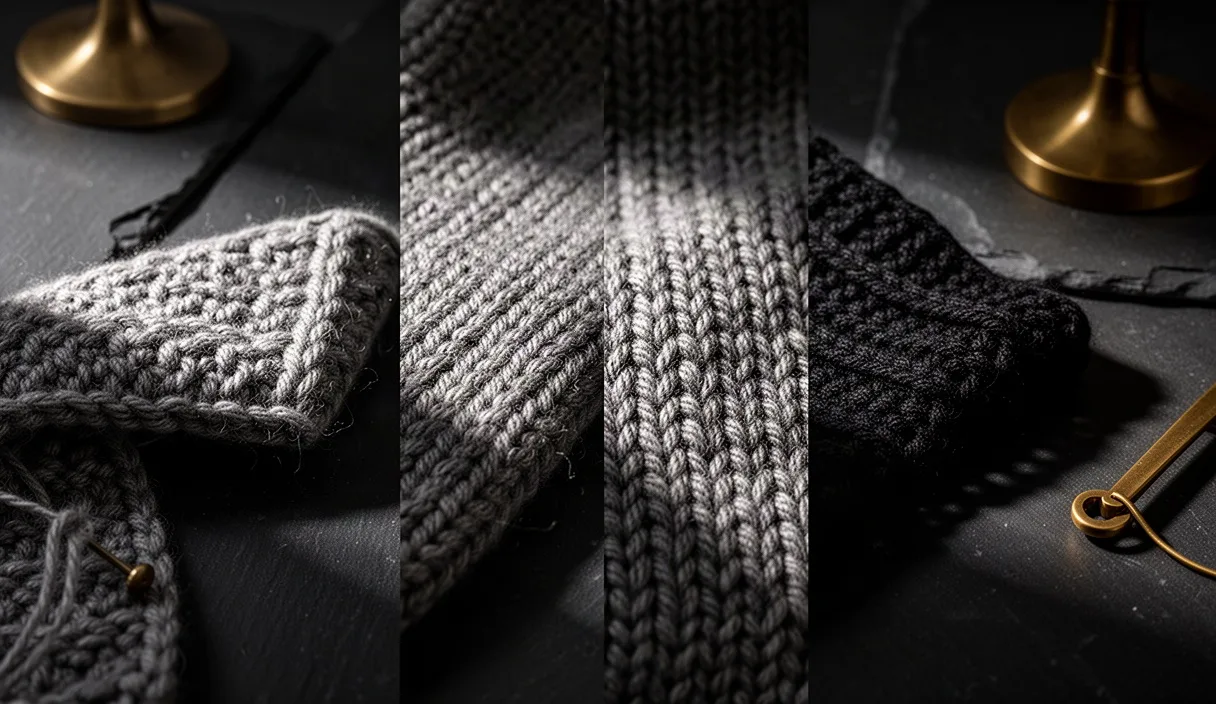

Most people use "wool" as a catch-all term, then get confused when a $400 cashmere sweater pills faster than a $60 merino base layer. The three fibers come from different animals, grow to different lengths and diameters, and behave differently on a hanger versus on a trail. Understanding the actual differences lets you stop paying for marketing and start paying for the properties you need.
This isn't about which fiber is "best." A rancher's wool coat, a hiker's merino shirt, and a commuter's cashmere scarf are solving three different problems. What follows is a fiber-by-fiber breakdown of sourcing, performance, durability, cost, and care, so you can match the material to the job instead of the other way around.
How wool, cashmere, and merino are sourced
Standard wool, often labeled simply "wool" on a tag, typically comes from sheep breeds raised for fiber volume rather than fineness, such as Rambouillet or Corriedale. The fiber diameter usually runs between 24 and 40 microns, which is coarse enough to feel scratchy against bare skin but durable enough to survive decades of wear in rugs, coats, and tailoring.
Merino wool comes from Merino sheep, a breed developed in Spain centuries ago and now raised primarily in Australia and New Zealand, which together produce roughly 80% of the world's merino clip. The fiber diameter ranges from about 15 to 24 microns depending on grade, with "superfine" merino sitting under 18.5 microns. That finer diameter is what makes merino wearable directly against skin without the itch associated with coarser wool.
Cashmere comes from the undercoat of cashmere goats, primarily raised in Mongolia and parts of northern China, which together supply roughly 90% of global cashmere. Each goat produces only 150 to 200 grams of usable fiber per year after the coarse guard hairs are combed out and separated, compared to a merino sheep's annual shearing of 4 to 5 kilograms. That yield gap is the single biggest reason cashmere costs more than merino, independent of brand markup.
A few sourcing notes worth knowing before you buy:
- Mulesing-free merino is now common from major Australian growers responding to retailer pressure; look for certifications like the Responsible Wool Standard (RWS) if this matters to you.
- Cashmere grading (A, B, C) refers to fiber diameter and length, with Grade A running under 15.5 microns and commanding the highest price.
- Recycled cashmere, made from pre-consumer cutting scraps or post-consumer garments, has grown as a lower-cost, lower-impact alternative, though fiber length and strength are reduced in the process.
Comparing warmth and breathability
Warmth in wool fibers comes from crimp, the natural waviness that traps air pockets, and from the fiber's ability to generate a small amount of heat as it absorbs moisture. Cashmere has a flatter, less crimped structure than sheep's wool, but its fibers are finer and hollow, which gives it a very high warmth-to-weight ratio. A cashmere sweater at 200 grams per square meter can feel as warm as a standard wool sweater nearly twice that weight.
Merino sits in between on raw insulation but wins on breathability and moisture management. Merino fiber can absorb up to roughly 30% of its weight in moisture vapor before it feels wet, and it releases that moisture gradually, which is why merino base layers don't leave the clammy feeling that synthetic fabrics do after a sweaty hike. Standard coarse wool absorbs moisture too, but it feels heavier and slower to dry because of the larger fiber diameter and typically denser weave.
Cashmere is the weakest performer in high-output, high-moisture scenarios. It's designed for still, dry, cold air, think an office, a car, an evening out, not for exertion. Worn under a jacket during a run, cashmere will feel heavy once damp and takes longer to dry than merino.
| Fiber | Warmth-to-weight | Breathability | Best moisture scenario |
|---|---|---|---|
| Standard wool | Moderate | Moderate | Dry cold, low activity |
| Cashmere | High | Low to moderate | Dry cold, no exertion |
| Merino | Moderate to high | High | Variable activity, damp conditions |
Durability and pilling over time
Fiber diameter and length both drive abrasion resistance, and this is where cashmere's main weakness shows up. Because cashmere fibers are short, typically 25 to 44 millimeters, and fine, they work loose from the yarn structure faster under friction, which is why cashmere sweaters pill at the underarms, cuffs, and anywhere a bag strap rubs. A tightly spun, high-grade cashmere knit resists this better than a loosely spun, lower-grade one, which is why two cashmere sweaters at similar price points can age completely differently.
Standard wool, with its longer and coarser fiber, is the most durable of the three in raw terms. A well-made wool overcoat or suit jacket can last fifteen to twenty years of regular wear with basic care, which is why wool remains the default for tailoring and outerwear meant to be worn for a decade or more.
Merino falls in the middle. Its fiber is finer than standard wool but typically longer than cashmere, around 65 to 100 millimeters for most merino grades, and merino garments are usually knit at a tighter gauge for performance wear, which helps resist pilling compared to cashmere. Still, superfine merino base layers under 17.5 microns will pill faster than a midweight merino sweater at 19 to 20 microns, because finer fiber is inherently less abrasion-resistant regardless of animal source.
Three factors that predict pilling better than the fiber type alone:
- Twist of the yarn: tightly twisted yarn sheds pills faster than loosely twisted yarn.
- Knit density: a denser knit has less loose fiber available to migrate to the surface.
- Blend content: wool or cashmere blended with nylon or polyester for strength will often pill less but loses some of the fiber's natural moisture handling.
Price per wear across the three fibers
Sticker price alone is misleading. A $90 standard wool sweater worn 40 times a winter for eight years costs about 28 cents per wear before any repairs. A $350 cashmere sweater that lasts four winters at 30 wears each season comes out to roughly $2.92 per wear, nearly ten times higher, even though neither number is "expensive" in absolute terms.
Merino's price-per-wear depends heavily on use case. A $70 merino t-shirt worn twice a week for travel or hiking, washed and rotated with two others, might see 100 wears a year for three years, landing under 25 cents per wear. But a superfine merino dress shirt at $150, worn only in cooler months and prone to snagging, could land closer to $1.50 per wear if it only survives two seasons of regular rotation.
Rough per-wear math for planning a wardrobe budget:
- Standard wool coat, $400: worn 60 times a year for 12 years = roughly 56 cents per wear.
- Cashmere scarf, $150: worn 25 times a year for 6 years = roughly $1.00 per wear.
- Merino base layer, $80: worn 80 times a year for 3 years = roughly 33 cents per wear.
These numbers assume reasonable care. Skip the care steps below and all three fibers lose years of useful life, which is the fastest way to turn a good price-per-wear into a bad one.
Care requirements for each
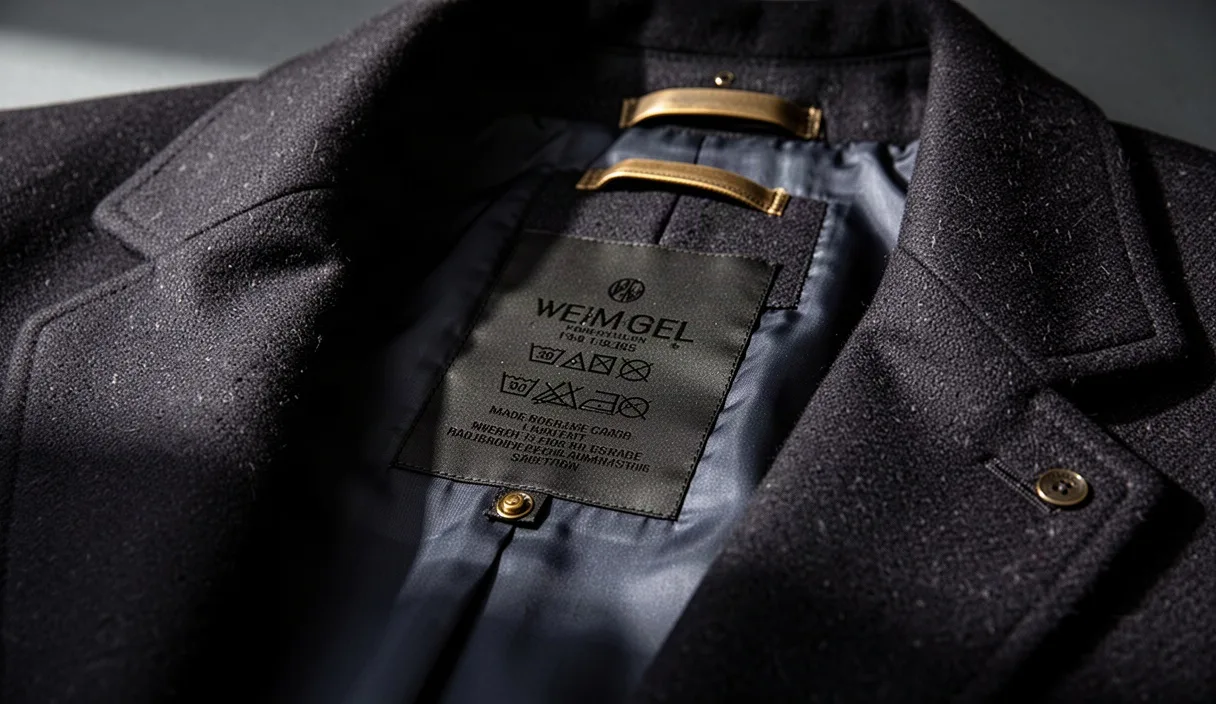
Standard wool tolerates the most handling. Most wool suiting and coats should be dry cleaned sparingly, no more than two or three times a season, since repeated solvent exposure dries out the fiber's natural lanolin over time. Between cleanings, brushing with a soft clothes brush and airing out overnight removes odor and surface dust without any washing at all.
Cashmere needs gentler handling because of its fine, short fiber. Hand washing in cool water with a wool-safe detergent, then laying flat to dry on a towel, is the safest method; machine washing on a wool or delicate cycle in a mesh bag is acceptable for sturdier knits but increases pilling risk. Never wring cashmere, and never hang it wet, since the fiber stretches under its own water weight and loses shape. A cashmere comb or pilling shaver should be used every few wears to lift and remove surface pills before they felt into the fabric.
Merino, especially performance merino, is the most forgiving in daily use. Most merino base layers and sweaters are machine washable on cold, gentle cycles, and merino's natural lanolin and tight molecular structure resist odor well enough that it often doesn't need washing after every single wear, unlike cotton or synthetics. Tumble drying on low heat is fine for many merino blends, though 100% merino should still air dry to avoid shrinkage over repeated cycles.
A quick reference for frequency:
- Wool coats and suiting: clean two to three times per season, brush and air between wears.
- Cashmere sweaters: hand wash every five to eight wears, comb for pills every two to three wears.
- Merino layers: machine wash cold every three to five wears depending on activity level, air dry when possible.
Which fiber suits which climate and use case
For tailoring, outerwear, and anything meant to last a decade with heavy rotation, standard wool is the practical choice. It handles daily abrasion, holds a pressed crease, and costs less per wear over a long ownership period than either alternative.
For cold, dry, low-activity settings where warmth-to-weight and feel against the skin matter more than durability, cashmere earns its price. Think an overcoat lining, a scarf, or a sweater worn under a blazer in an air-conditioned office. It's a poor choice for travel, exercise, or anyone who needs a garment to survive daily bag straps and friction.
For variable activity levels, humid climates, or travel where packing light and avoiding odor matters, merino is the strongest all-around performer. It handles temperature swings better than cashmere and breathes better than standard wool, which is why it dominates the technical outdoor and travel-wear categories rather than tailoring.
Common mistakes
Buying cashmere for high-friction daily use, like a commuter bag strap or gym layering, and then being surprised when it pills within a season is one of the most frequent complaints in fiber care forums. The fiber wasn't designed for that stress.
Assuming "merino" on a label means the same quality across brands is another error. Micron count varies widely, and a 21-micron merino sweater will feel and perform noticeably differently than a 17-micron one, even at similar price points.
Washing wool or cashmere in hot water is a fast way to cause irreversible shrinkage and felting. If a care instruction is unclear or a garment is high value, a professional dry cleaner familiar with natural fibers is worth the modest fee rather than risking the piece in a home machine.
Next steps
Check the microns and fiber length on the garment tag or product page before buying, not just the fiber name, since those two numbers predict warmth, itch, and pilling better than the word "cashmere" or "merino" alone. Match the fiber to the actual use case from the section above rather than to price or prestige. And build your care routine around the specific fiber on day one, brushing wool, combing cashmere, and machine-washing merino cold, so the garment's real lifespan gets closer to its theoretical one.