 Loom & Lapel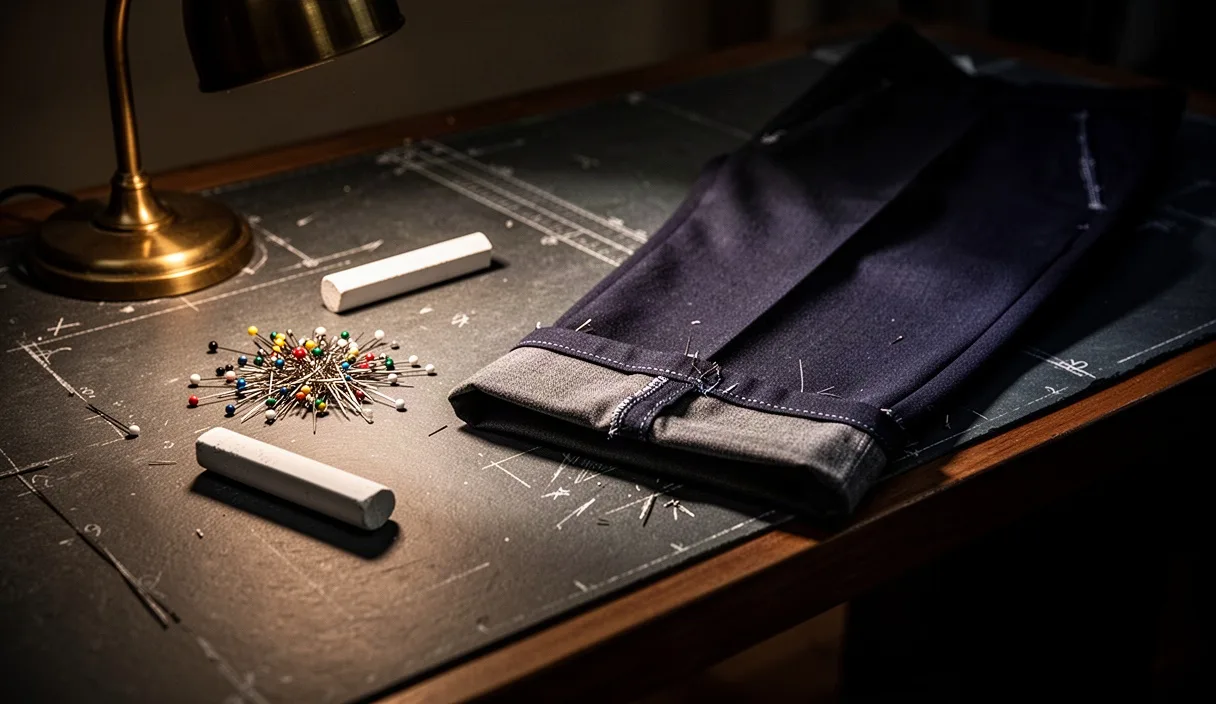

A garment that fits in the shoulders but not the waist is not a mistake, it is a starting point. Tailors exist because clothing is built for an average body, not yours. Knowing what a competent tailor can actually change, and what they can't, will save you from buying the wrong size out of hope and from paying for work that won't hold.
This isn't a guide to becoming a tailor. It's a guide to shopping and dressing like someone who understands the limits of fabric, seam allowance and construction, so you stop guessing and start making decisions you can defend.
Common alterations and what each one involves
Hemming shortens trouser legs, sleeves or a skirt's length. The tailor removes the existing hem, measures the new break or sleeve length against your shoes or wrist bone, cuts excess fabric if needed, and sews a new fold. On trousers this usually takes 20 to 30 minutes of actual labor and one fitting.
Taking in reduces a garment at the seams, most often the waist of trousers, the sides of a shirt, or the back of a jacket. The tailor pins out the excess fabric during a fitting, marks the new seam line, then stitches it and presses it flat. A jacket taken in through the waist typically moves no more than 1.5 to 2 inches total without distorting the silhouette.
Letting out is the reverse: using existing seam allowance to add room. This only works if the manufacturer left extra fabric inside the seam, something you can check yourself before a tailor even looks at it.
- Shortening a jacket sleeve from the shoulder is a bigger job than shortening from the cuff, since it involves resetting the sleeve head.
- Adjusting a jacket's shoulders is rarely possible once the garment is fully constructed. This is a fit point to get right at purchase, not after.
- Taking in a shirt's side seams works well on woven cotton but can pucker on slippery fabrics like rayon blends.
- Cuffing or re-cuffing trousers changes both the look and the break, and should be done after you've decided on the shoe you'll wear most with them.
Which fabrics and cuts take alterations well
Wool, especially worsted wool in suits, presses and holds a new seam line cleanly. It has enough body to disguise a seam that's been let out, since the fibers don't show old needle holes the way some synthetics do. A medium-weight wool suit is close to the ideal fabric for a tailor to work with.
Cotton twill and chino fabric also take alterations well, particularly hemming and waist adjustments, because the weave is stable and doesn't fray excessively when cut. Denim is similarly forgiving for hemming, though matching the original fade line on a let-out hem is a cosmetic challenge worth asking about before you commit.
Fabrics that resist alteration include silk, because it shows needle marks and shifts under the machine; tightly woven synthetic blends with little give; and anything with a printed pattern that must be matched across a seam, like plaid or stripe. A pinstripe suit taken in at the side seams can leave the stripes visibly offset unless the tailor matches them by hand, which adds time and cost.
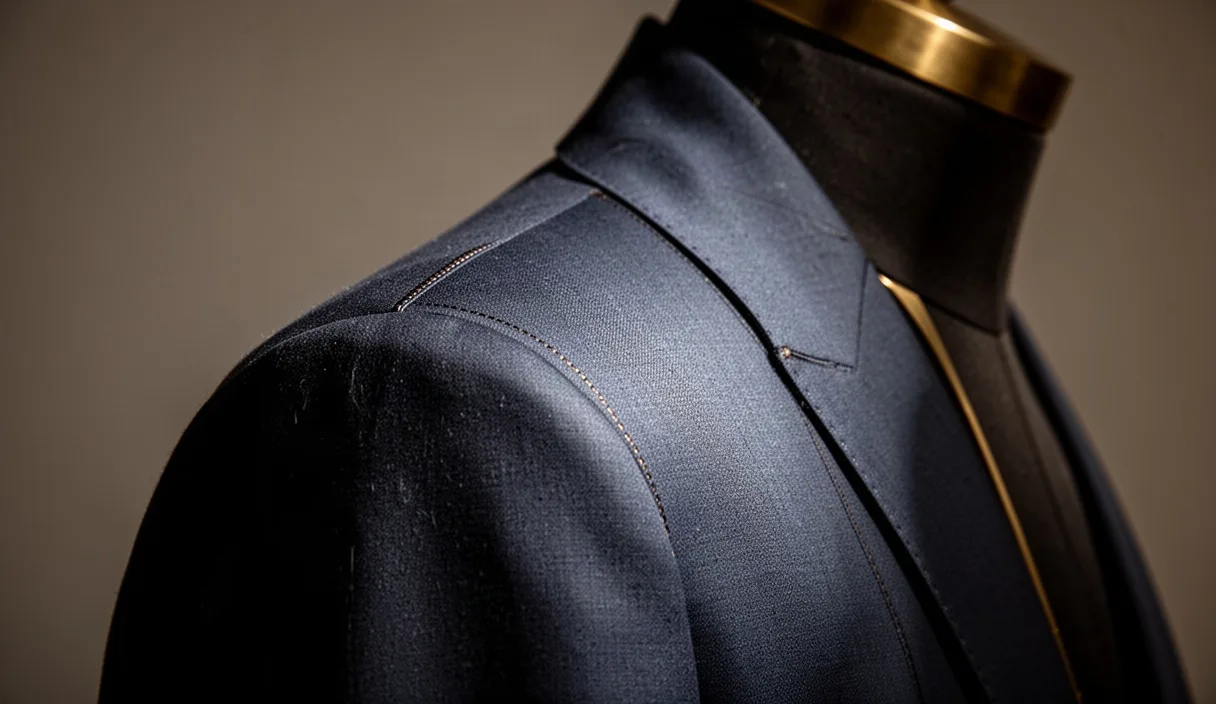
Structured garments such as suit jackets and tailored coats, built with canvas interlining, alter more predictably than unstructured or fused garments. Fused jackets, common at lower price points, can bubble or separate at the chest piece if the alteration disturbs the adhesive layer. A tailor with experience in both will tell you which one you're wearing if you're not sure, since the construction is often not obvious from the outside.
How to check for spare seam allowance before buying
Turn the garment inside out, or ask a sales associate to show you the inside seams, before you buy something that fits imperfectly in the hope of alteration. Look at the side seams of trousers and jackets: a generous manufacturer leaves half an inch to an inch of extra fabric folded inside.
- Pinch the fabric at the waistband seam of trousers and feel for a second layer folded inward. If you can grab more than a thin single layer, there's likely spare allowance.
- Check the center back seam of a jacket, which is the most common place extra fabric is hidden for future letting out.
- Look at the inseam near the crotch on trousers. Many manufacturers leave almost nothing here, which limits how much a tailor can let out in the seat.
- For shirts, check the side seams below the armpit. Dress shirts rarely have spare allowance here, since the fabric is usually cut close to the seam line.
If you can't find any extra fabric, assume the garment is already at its smallest usable size and buy accordingly, or plan only for hemming and minor sleeve work rather than a true size change.
Typical cost ranges for basic alterations
Costs vary by region and by whether you're using a dry cleaner's in-house tailor or a dedicated tailoring shop, but the ranges below reflect common pricing in most mid-sized cities as of recent years.
| Alteration | Typical cost range |
|---|---|
| Trouser hem (plain) | $10 to $20 |
| Trouser hem (cuffed) | $15 to $25 |
| Jacket sleeve shortened from cuff | $20 to $40 |
| Jacket sleeve reset from shoulder | $60 to $120 |
| Suit jacket taken in at waist | $30 to $60 |
| Shirt taken in at sides | $20 to $35 |
| Trouser waist taken in or let out | $15 to $30 |
| Full suit alteration package | $80 to $150 |
Ask for a written quote before work begins, and ask whether the price includes a second fitting if the first adjustment doesn't sit right. Many reputable tailors build one follow-up fitting into the price for jackets, since getting a shoulder or waist exactly right sometimes takes two passes.
When an alteration is not worth the price
If a garment needs more than one major structural change, the math often stops making sense. A jacket that needs both shoulders narrowed and the body taken in significantly can cost more to alter than a new, better-fitting jacket would cost to buy, especially at the lower end of the price spectrum.
Shoulder width is the clearest line. Narrowing a jacket's shoulders requires taking the sleeves off, reshaping the shoulder seam, and resetting the sleeves, which is close to rebuilding the garment. Most tailors will say plainly that this isn't worth attempting on a jacket under roughly $150 in original price, since the labor can exceed that.
Letting out a jacket or trousers beyond the available seam allowance isn't possible at all, regardless of price, so no amount of money fixes a garment with no spare fabric and a body that's grown. In that case the honest answer from a tailor should be "I can't," not a reluctant attempt that leaves visible strain lines at the seam.
Cheaply constructed garments with fused interlining, minimal seam allowance and synthetic blends often aren't worth altering for a second reason: the fabric itself won't hold a crisp new seam, so the result looks altered rather than tailored, even when the measurements are technically correct.
Finding a tailor you can trust with repeat work
Ask to see work in progress, not just finished garments on a hanger. A tailor willing to show you a jacket mid-alteration, with pins or basting stitches visible, is usually confident in their process and has nothing to hide about technique.
Bring one simple test garment first, such as a pair of trousers for a plain hem, before committing anything expensive. This lets you judge stitch consistency, whether the hem sits level, and how closely the finished product matches what was promised, without risking a suit.
Ask directly how they handle mistakes. A tailor who has a clear answer, such as redoing the work at no charge or adjusting the price, is more trustworthy than one who seems surprised by the question. For ongoing work, such as maintaining a work wardrobe, consistency across visits matters more than any single alteration, so keep a note of measurements they've used before to compare over time.
Common mistakes
Buying a size down on the assumption that "it can be taken in" without checking seam allowance first, then discovering there's no fabric to work with.
Skipping the second fitting on a jacket alteration because the first pass felt close enough, then wearing a jacket that pulls at the button or gaps at the collar.
Choosing the cheapest alteration quote without asking what fabric and technique will be used, then getting visible stitching or puckering on a fine fabric that needed hand-finishing.
Next steps
Before your next purchase, check the inside seams of anything you're unsure about and decide whether you're buying a garment or buying a project. If it's a project, get a quote in writing before you commit to the purchase, not after.
For anything structural, shoulders, full suit rebuilds, or garments with no spare seam allowance, get a second opinion from another tailor before paying for the first one's attempt. A second, unrelated opinion costs nothing and can save you from an alteration that can't be undone.