 Loom & Lapel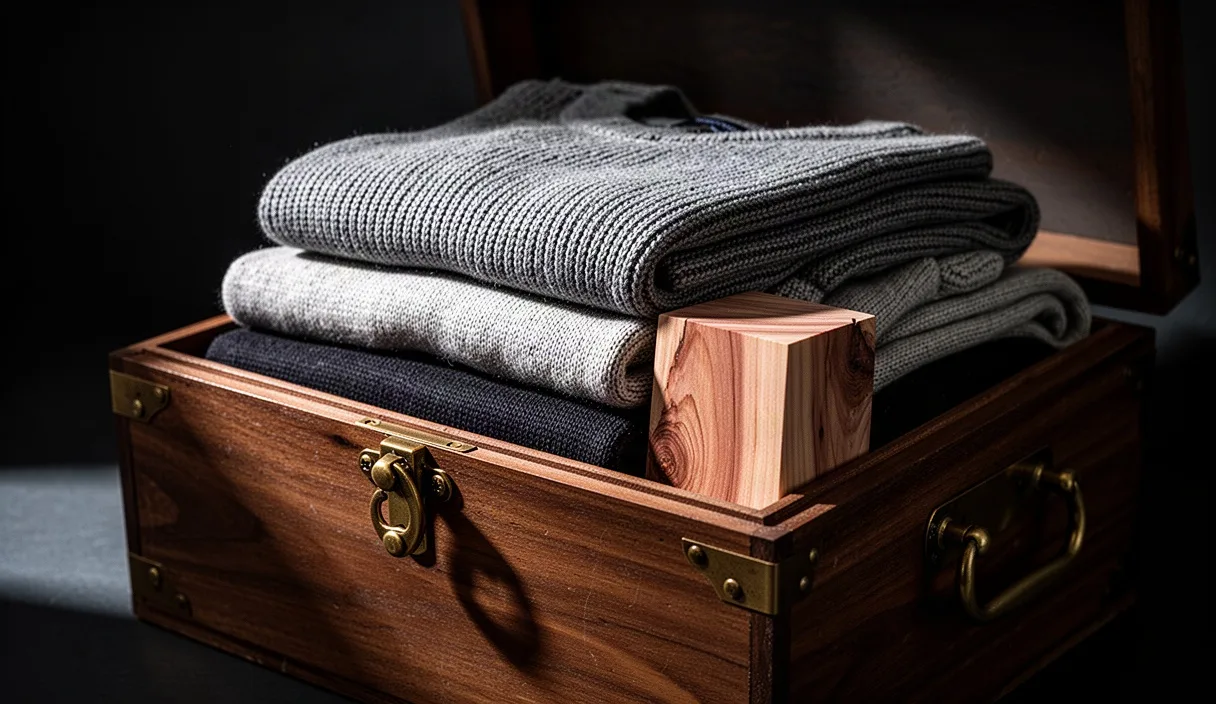

Every year, the same ritual plays out in closets across the country: wool sweaters go into bins, linen shirts get folded into drawers, and six months later they come out smelling musty, dotted with moth holes, or creased beyond recognition. The damage is not inevitable. It comes from specific, identifiable mistakes, most of which happen before the garment even reaches the storage box.
This guide covers what actually causes off-season damage, how to clean and prepare clothes correctly, which storage method fits which fabric, and how to build a rotation routine that protects your wardrobe without demanding a second job. None of this requires specialty products beyond a few inexpensive basics.
Why off-season storage causes damage in the first place
Most garment damage during storage traces back to four conditions: humidity, light, pests, and pressure. A damp basement or a plastic bin sealed too tight traps moisture, which encourages mold and mildew within weeks. Natural fibers like wool, cotton, and silk are especially vulnerable because they absorb and hold humidity rather than repelling it.
Light exposure is a slower but equally real threat. Garments stored near a window, even folded inside a clear bin, can fade or yellow over several months of indirect UV exposure. Pests, particularly clothes moths and carpet beetles, target protein-based fibers such as wool, cashmere, silk, and fur, feeding on keratin they cannot get from synthetic fabrics.
Pressure damage is the most avoidable of the four. Heavy stacking, tight folding, or hangers with narrow necks create permanent creases, stretched shoulders, or broken fibers at stress points. A wool coat folded under three other garments for five months will likely hold that crease line even after steaming.
Understanding which of these four forces threatens a specific garment determines the right storage method. A cotton t-shirt faces almost no pest risk but can mildew if packed away damp. A cashmere sweater faces moth risk regardless of cleanliness level, though soiled fibers attract moths faster.
Cleaning garments before storing them
Every item should be clean before it goes into storage, no exceptions. This is the single most skipped step and the leading cause of both moth damage and musty odors. Moths are drawn to the organic residue in sweat, skin oils, and food stains, not to the fabric itself. A sweater worn once and stored "mostly clean" is more attractive to pests than one laundered properly.
Follow the garment's actual care label rather than guessing. Machine-washable cotton and synthetics can go through a normal cycle, but wool and cashmere typically need either hand-washing in cool water with a wool-specific detergent or a trip to a professional dry cleaner. If you're unsure whether a fabric can tolerate home washing, a dry cleaner can advise in under a minute and the cost of being wrong (a shrunk cashmere sweater) far exceeds the cost of asking.
Make sure garments are completely dry before boxing them. Even a slightly damp hem can develop mildew inside a sealed bin within two to three weeks, and the smell is difficult to remove without rewashing. Lay sweaters flat to dry rather than hanging them, since wet wool stretches under its own weight.
- Cotton and linen: machine wash per label, tumble dry low or line dry, store fully cool and dry.
- Wool and cashmere: hand wash or dry clean, dry flat, never store without washing even if "barely worn."
- Silk: dry clean unless the label confirms hand-wash safety; press lightly before storage to avoid lock-in creasing.
- Down and synthetic fill: follow label exactly, many down jackets are machine washable on gentle cycles but need a full, thorough dry to avoid clumping.
Breathable versus sealed storage by fabric type
The breathable-versus-sealed question is the most common point of confusion, and the honest answer is that it depends on the fiber and your climate. Sealed plastic bins are excellent at blocking moths and dust, but they also trap any residual humidity, which can cause mildew in natural fibers over a long storage period.
Breathable options, cotton garment bags, canvas bins, or acid-free boxes, allow moisture to escape but offer no barrier against pests unless combined with a deterrent. The right call depends on what you're protecting against more in your specific home: humidity or insects.
| Fabric | Recommended storage | Why |
|---|---|---|
| Wool, cashmere | Breathable garment bag plus cedar or lavender sachet | Needs airflow and active moth deterrent |
| Cotton, linen | Breathable bin or cotton bag | Low pest risk, but mildews if sealed while slightly damp |
| Silk | Acid-free tissue paper inside a breathable box | Prevents yellowing and fiber stress from folding |
| Synthetics (polyester, nylon) | Sealed plastic bin acceptable | No pest attraction, minimal moisture retention |
| Down jackets | Breathable bag, never compressed long-term | Compression breaks down fill clusters over months |
If your home has high humidity, a dehumidifier in the storage room or a few silica gel packets inside breathable bags can offset the moisture risk without sealing garments completely. In dry climates, sealed bins pose far less mildew risk and can simplify pest control.
Protecting wool and cashmere from moths
Clothes moths do not eat clean wool for pleasure, they target it because the keratin protein in the fiber is a food source, and soil or sweat residue accelerates the attraction. Washing before storage removes most of the risk, but it does not eliminate it entirely, especially in homes with an existing moth population.
Cedar blocks and lavender sachets are mild deterrents, not pesticides. They can make wool less appealing to moths but won't kill an existing infestation. Refresh cedar blocks by sanding the surface every few months, since the scent fades and the deterrent effect with it.
For a stronger barrier, some people use pheromone traps to monitor for moth activity before it spreads, placing one or two in a storage closet for a season to see if larvae are present. If you find holes, larvae casings, or silky webbing on stored garments, that's a sign of an active infestation, and a pest control professional should be consulted rather than relying on home remedies alone.
- Vacuum storage closets and drawers thoroughly before placing clean garments, since moth eggs can live in dust and lint.
- Avoid storing wool directly against cardboard for long periods, as it can trap humidity against the fiber.
- Check stored wool items every six to eight weeks during long off-season storage rather than waiting until the season change.
Preventing creases and shape loss
Folding is not inherently bad, but folding the wrong way for months at a time is. Sweaters and knitwear should always be folded rather than hung, since hanging stretches the shoulders and can create a permanent "hanger bump" at the neckline within a single season.
Structured garments like blazers and coats need padded or wide-shouldered hangers, never wire ones, to maintain shoulder shape. If hanging space is limited, a blazer can be folded along its natural seams and laid flat, but it should not be crammed under heavier items.
Acid-free tissue paper, stuffed loosely into sleeves or folds, helps garments hold their shape and prevents sharp creases from setting permanently, particularly useful for silk blouses and structured jackets. Avoid stacking more than four or five folded sweaters in a single pile, since the weight compresses the bottom layers and can leave lasting indentations.
Rolling, rather than folding, works well for casual knitwear and reduces crease lines along fold points, though it is less space-efficient than flat folding for bulky sweaters.
Choosing a storage location in your home
Basements and attics are the two most common storage locations and also the two most likely to cause damage if unmanaged. Basements often run humid, especially in older homes without a dedicated dehumidifier, which puts natural fibers at mildew risk. Attics swing in temperature dramatically, baking garments in summer heat and freezing them in winter, which stresses fibers and can degrade elastic or synthetic blends over a few seasons.
A closet in a climate-controlled room is the most reliable location for most households, since it maintains a stable temperature close to living-space conditions. Under-bed storage works for lighter items in breathable bags but should be avoided for anything prone to crushing, like structured coats.
Wherever you store garments, keep the containers off the floor if possible, using a shelf or a riser, to reduce exposure to any moisture that collects at ground level, and keep bins away from direct exposure to exterior walls, which tend to run colder and more humid than interior ones.
A seasonal rotation routine
A simple twice-a-year rotation, once in spring and once in fall, keeps the system manageable. When pulling out off-season clothes, check them before wearing: a quick smell test and a visual scan for holes or discoloration catches problems before they reach the laundry pile.
Before storing the next batch, repeat the full cleaning process rather than assuming garments are still fresh from a prior wash months earlier. Dust and airborne particles settle on fabric even inside a closet, and a second light wash or steam takes a fraction of the time a full infestation cleanup would.
Keep a short written or digital list of what's stored where, especially if you use multiple bins or a secondary location like a garage. This prevents duplicate purchases of items you already own but forgot about, and it also makes mid-season checks faster.
Common mistakes
- Storing garments without washing them first, even if they look clean.
- Sealing natural fibers in airtight plastic for months at a time, trapping residual moisture.
- Hanging knitwear instead of folding it, leading to stretched shoulders and necklines.
- Relying solely on cedar or lavender for an active moth infestation instead of calling a professional.
- Choosing a storage spot based on convenience alone, ignoring humidity and temperature swings.
Next steps
Start with one closet or one season's worth of clothing rather than overhauling your entire wardrobe storage system at once. Wash everything first, sort by fabric type using the table above, and choose breathable or sealed storage based on your home's humidity level rather than habit. Set a calendar reminder for the next seasonal swap so garments don't sit untouched for longer than six months without a check.
If you discover an active moth problem or persistent mildew smell that washing doesn't resolve, treat that as a signal to bring in a pest control service or a textile restoration specialist rather than attempting repeated home fixes. The upfront effort of proper cleaning, the right storage method, and a consistent location will do more to protect your clothes than any single product on the shelf.